
Managing Overheating in Accessible Homes for People Living with Spinal Cord or Brain Injury
As UK summers become hotter and heatwaves more frequent, managing overheating is becoming an increasingly important part of designing accessible homes for people living with spinal cord injuries or acquired brain injuries.
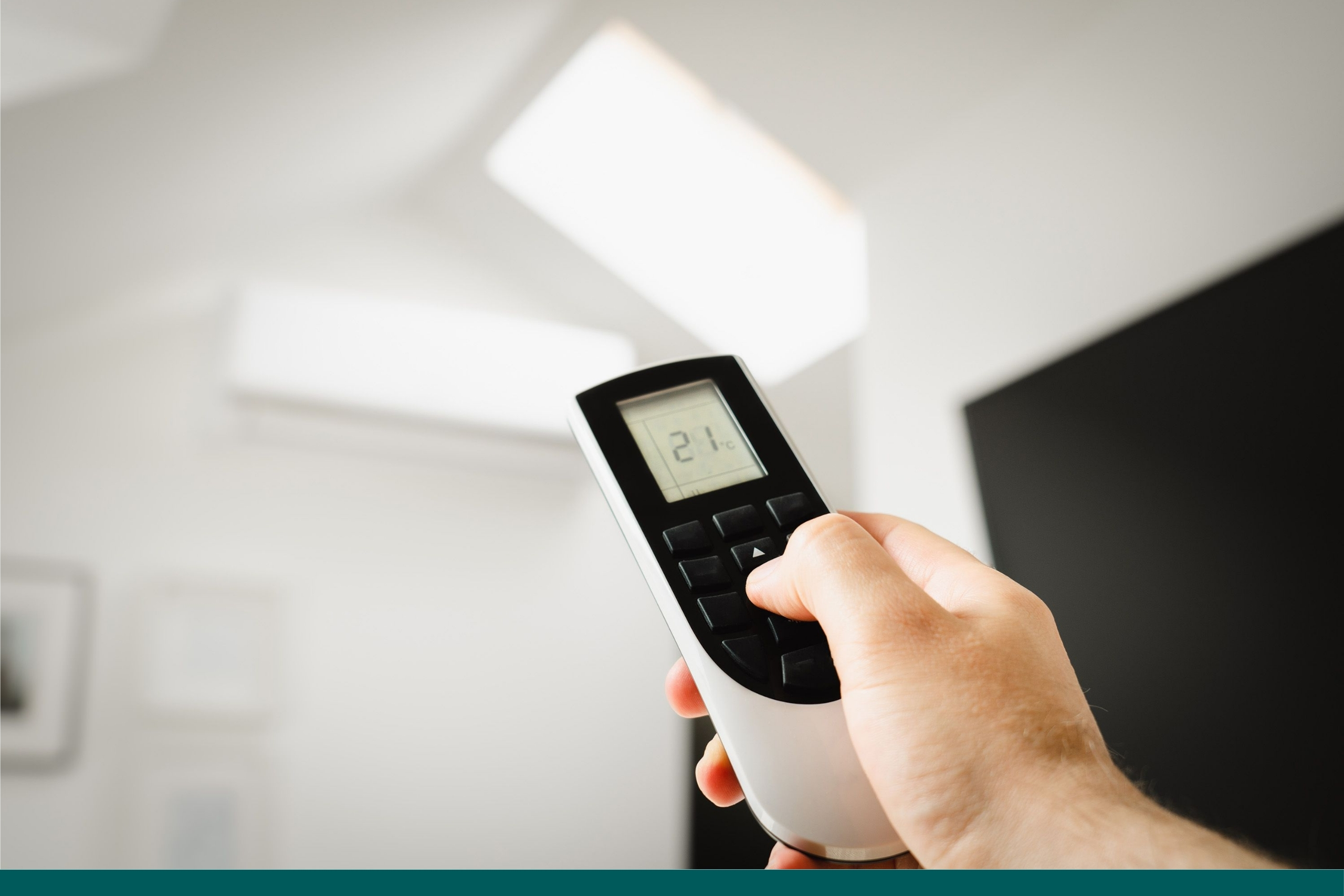
The number of days above 28°C in the UK has more than doubled since the 1960s, and heatwaves are projected to become up to ten times more frequent by the end of the century. While hot weather is uncomfortable for most people, for those living with spinal cord or brain injuries overheating can be a serious impact on their health and day-to-day life.
Managing thermal comfort is firmly embedded in planning requirements. Part O of the Building Regulations, introduced in 2021, specifically address overheating risks in new residential properties, establishing that safe indoor temperatures are required.
Overheating as a specialist design challenge
Managing indoor temperatures in an accessible home requires a strong understanding of how a specific injury affects thermoregulation, how a home is used day-to-day and how design decisions made at the planning stage can prevent problems that are costly and disruptive to address later.
At Steven Docker Associates, our team includes specialists in accessible housing design with direct experience of working alongside clients living with spinal cord injuries and acquired brain injuries. We work closely with case managers, occupational therapists and legal professionals to consider overheating at the earliest stages of a project, ensuring the home safely supports the client long into the future.
How does spinal cord injury affect temperature regulation?
People living with spinal cord injuries are often less able to dissipate heat through sweating or changes in blood flow below the level of their injury due to the sympathetic nervous system, which controls sweating and blood vessel dilation, being disrupted below the level of injury. For higher-level injuries, T6 and above, this is more pronounced. The body can neither cool itself through sweat nor redirect blood flow to the skin surface to release heat.
This increases the risk of overheating, which can lead to fatigue, muscle spasms and heat related illnesses. In severe cases, overheating may also contribute to episodes of Autonomic Dysreflexia (AD), a potentially life-threatening syndrome. Symptoms of this include dangerously elevated blood pressure, severe headache, and profuse sweating above the level of injury. Maintaining a stable indoor temperature is therefore crucial to supporting comfort and day-to-day independence.
How does acquired brain injury affect temperature regulation?
An acquired brain injury can also affect the brain’s ability to regulate body temperature or recognise when the body is becoming too hot. The hypothalamus is the brain’s primary thermoregulatory centre and is particularly vulnerable in traumatic brain injury, with dysfunction that can result in varied temperature dysregulation patterns.
Heat sensitivity is a well-documented feature of neurological fatigue after ABI. Even a small rise in core temperature of 0.5°C can significantly impact concentration and overall fatigue levels. Heat may also worsen headaches and behavioural symptoms.
Why do homes overheat?
One of the main causes of buildings overheating is sunlight entering through windows, roofs and external walls, a process known as solar heat gain.
While natural light is an important part of good design, extensive glazing can also increase indoor temperatures if measures aren't taken to manage the heat. Preventing excessive heat from entering a home is generally more effective than trying to cool it once it has built up indoors.
This highlights an important distinction between passive and active cooling methods. Passive measures like building orientation, shading, insulation and ventilation reduce the heat load without needing energy input. Whereas active measures, like air-conditioning and HVAC systems, manage heat that has already built up with ongoing energy input and costs.
This is why managing overheating is an important consideration from the earliest stages of the design process. Balancing these factors is essential when considering Part L compliance and accommodation budgets.
How to design accessible homes that prevent overheating
For many people living with spinal cord or brain injuries, thermal comfort and physical accessibility go hand-in-hand. Managing overheating should therefore be considered as a fundamental part of accessible home design that goes far beyond air conditioning.
At Steven Docker Associates, we carefully consider the layout of a home, including the position of windows and living spaces, to maximise natural light while reducing the risk of overheating. North-south orientation of main living spaces is a well-established passive design principle. Placing bedrooms on the north side naturally reduces early-morning and late-evening solar heat gain.
Glazing options are equally as important, with the heat-performance of this measured using the g-value. This is how much heat is transmitted through a window from the sun’s rays.
Solar control glass with a g-value of 0.3 or below can reduce solar heat, while still allowing daylight. Additional measures such as external shading, landscaping, high-level opening windows and solar control glazing can help reduce the amount of heat entering the home, creating a more comfortable indoor temperature and reducing reliance on active measures like mechanical cooling.
Good insulation and ventilation are also important for a maintaining a comfortable indoor environment. Insulated roofs, lofts and walls helps reduce heat transfer, while effective ventilation allows excess heat to escape, making it easier to maintain comfortable indoor temperatures. Well-insulated roofs and walls successfully slow heat transfer in both directions, and reflective roof membranes can also reduce solar absorption at roof level. Cross-ventilation, achieved by placing windows on opposite sides of the home is effective for night-time cooling when outdoor temperatures drop.
More information about how we integrate this design principle into our client’s homes can be found here.
How can smart environmental controls manage indoor temperatures?
Smart environmental controls play an important role in helping people with limited mobility manage overheating more independently. Environmental control systems (ECS) are distinct from general smart home technology. They are specifically designed for people with limited or no hand function, allowing full home control using head movement, eye gaze, breath control, or switch scanning. This allows people with high-level SCI autonomy within their home.
Remote-controlled blinds and external shutters can help reduce heat entering the home, while automated air conditioning units can then help maintain a comfortable indoor temperature with minimal manual adjustment. Where appropriate, high-level opening windows can be automated and air source heat pumps can provide cooling as well as heating to properties, helping to keep the home comfortable throughout the year. Because of their role in independence and safety, environmental controls, including automated blinds and climate systems, can form part of a Schedule of Loss in personal injury claims when properly evidenced.
Find out more about smart home technology in accommodation claims.
How to future-proof accessible homes for the UK’s changing climate
Homes adapted following a catastrophic injury are intended to meet a client's needs for many years. As the UK's climate continues to change, considering how a property will perform in the future, not just today, becomes increasingly important. The UK’s Climate Change Risk Assessment estimates that annual average temperatures in southern England could be 1.5-2°C higher than today under moderate emission scenarios.
This introduces a unique conundrum into architectural design. Airtight, highly insulated homes built to reduce winter heat loss can trap summer heat more effectively than older, draughtier properties. Futureproofing therefore requires an approach that balances both heating and cooling scenarios. While hotter summers are expected to become more common, homes must also remain comfortable and energy-efficient during colder weather.
By incorporating measures to manage overheating from the outset, homes can remain comfortable and suitable for a client’s long-term needs while reducing the need for costly and disruptive adaptations in the future.
To discuss future-proofing a property adaptation, contact our Design & Project Management Team.
Planning an accessible home adaptation?
Whether you are a case manager, solicitor, or occupational therapist, our team can help ensure overheating is considered as part of a broader accessible design assessment. Get in touch to discuss your client’s needs.