
Overcoming the Challenges of Adapting Rental Properties for Clients with Complex Accessibility Needs
For many seriously injured clients, finding and adapting rental properties is an important step towards independence, stability and rehabilitation. In many cases, rented accommodation is required as an interim solution while the client’s existing home is adapted, or while a longer-term property is identified, purchased or built to meet their needs.
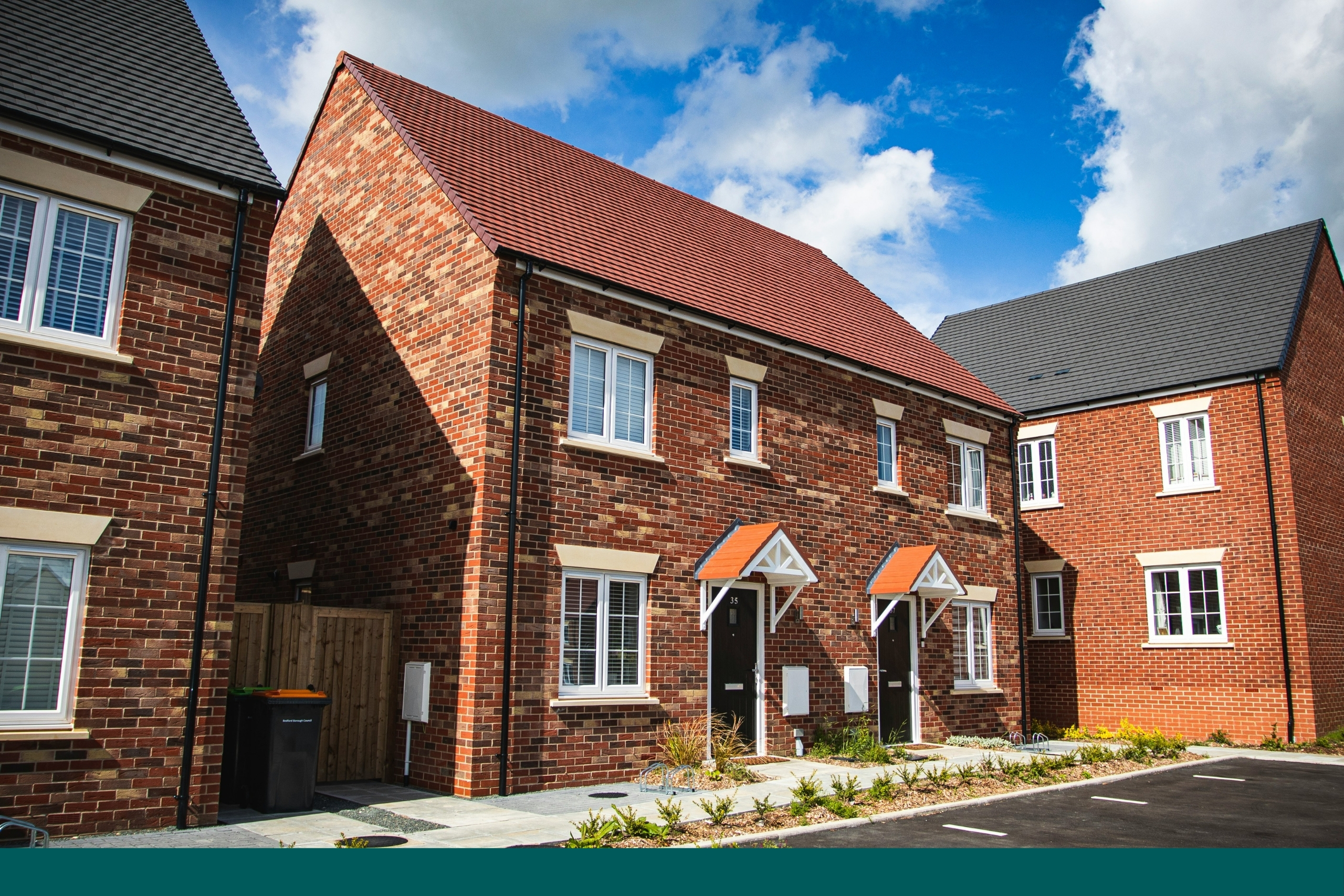
Working across the UK, Steven Docker Associates’ property finding team has extensive experience in sourcing rental properties for clients with complex accommodation requirements. We combine detailed property market knowledge with a practical understanding of the needs of seriously injured people, alongside extensive experience working with solicitors, deputies, case managers and other professional advisers.
This article considers the key challenges that can arise when identifying and adapting rental accommodation, and explains how SDA supports clients, families and professional teams throughout the process.
KEY CHALLENGES WHEN ADAPTING RENTAL PROPERTIES
Finding the right property
Our team regularly assists clients in identifying appropriate rental properties and negotiating rental arrangements before they move on to purchasing or adapting a longer-term home. Once a potential property has been identified, we consider how closely it meets the client’s needs, including location, proximity to family and friends, access to support networks and suitability for care arrangements.
We also advise on the feasibility, likely cost and practical implications of any adaptations that may be required. Where appropriate, we can support negotiations with landlords, including discussions around rental levels where significant adaptation works are needed. In previous cases, this has helped clients make more effective use of available funds while securing accommodation that better supports their immediate needs.
Landlord permission
In most cases, landlord consent is required before significant adaptations can be made. These works may include installing ramps, widening doorways, fitting a through-floor lift or creating an accessible bathroom.
Some landlords may be reluctant to agree to adaptations because of concerns about property value, reinstatement costs, disruption, or the time needed to return the property to its original condition at the end of the tenancy.
Where a landlord is considering selling the property in the short to medium term, they may prefer arrangements that do not involve substantial works. Early engagement, clear communication and a well-prepared adaptation proposal are therefore essential.
The cost of adaptations
Accessibility modifications can be costly, particularly where external groundwork, internal flooring changes, ramps, widened doorways, wet rooms or specialist lifting equipment are required.
Due to the limited availability of suitable single-storey rental properties, it is sometimes necessary to consider homes where a through-floor lift would be required to give the client full access to the property.
SDA prepares feasibility reports to support rental negotiations and provide clear guidance on the likely cost of adaptations, helping professional teams to make informed decisions and ensure funds are used effectively.
Limited supply of accessible housing
There remains a limited supply of rental properties that are already accessible or capable of being adapted quickly.
In 2025, Propertymark highlighted the limited availability of accessible homes, noting that only 3,300 new bungalows were built in 2022. This shortage has a particular impact on older adults and those living with disabilities, who may already face limited choice within the private rented sector.
Many UK rental properties are older buildings with narrow doorways, stairs or structural limitations, which can make adaptations more complex, expensive or, in some cases, impractical.
Delays in approval and installation
Adaptations often require professional assessments, landlord consent, funding approval and contractor availability before works can begin.
These steps can take time, which may delay access to suitable accommodation and reduce the practical benefit of the agreed rental term.
For many clients, time is of the essence. They may be waiting for suitable accommodation before they can be discharged from hospital, or they may be living in unsuitable accommodation that affects their recovery, rehabilitation and overall wellbeing.
Restrictions in tenancy agreements
In some cases, adaptations may need to be removed and the property returned to its original condition at the end of the tenancy. This will often depend on the nature of the works and whether the landlord considers that the adaptations have added value to the property.
Changes introduced under the Renters’ Rights Act 2025 mean that most assured tenancies in England are now periodic rather than fixed-term. For clients and professional teams planning significant adaptations, this may affect the level of certainty available when considering rental accommodation as an interim or longer-term solution.
A recent example
One recent instruction involved a client based in Birmingham, for whom we secured a rental property four years ago. The client required external ramps, an internal wet room and a through-floor lift. They also wished to remain within a very specific location, which significantly reduced the number of suitable properties available.
The client remains involved in ongoing litigation and requires long-term rental accommodation. The current landlord has now indicated that they wish to sell the property to release equity. As a result, a further rental property is required, again involving careful planning, landlord engagement and assessment of adaptation feasibility within the available market.
Our role is to identify a suitable property where the landlord is willing to permit adaptations, assess the works required, obtain costings, support funding approval through the litigation team and coordinate contractor availability. We must also consider tenancy obligations from the outset, including any requirement to reinstate the property at the end of the tenancy, so that this is reflected in the planning, costings and programme.
Once the client has moved into the new property, any required reinstatement works at the previous rental property can then be arranged in line with the tenancy agreement.
How SDA supports clients and professional teams
- We search the market with the client’s immediate and longer-term accommodation needs in mind.
- We assess whether a property can realistically be adapted before time and costs are committed.
- We engage with landlords and agents to explain the proposed works clearly and professionally.
- We work alongside solicitors, deputies, case managers, occupational therapists and contractors to keep the process moving efficiently.
- We help professional teams understand the practical implications of rental terms, adaptation costs, reinstatement obligations and timescales from the outset.
Finding and adapting rental accommodation for a seriously injured client can be complex, particularly where time is limited, suitable properties are scarce and adaptations are substantial. Additional challenges can also arise where interim properties need to be reinstated after adaptations are removed, creating further cost, programme and coordination considerations within the litigation timeline.
With early involvement, practical property expertise and clear communication between all parties, many of these challenges can be anticipated and managed more effectively.
Steven Docker Associates provides a specialist property finding service to support clients, families and professional teams throughout this process, helping to secure accommodation that is safe, practical and suited to the client’s individual needs.